August 26, 2026
Choosing the right material is an important part of creating furniture that looks attractive, feels comfortable, and stands up to everyday use. The material you select can influence durability, maintenance, room style, and long-term value. By comparing fiber types, performance needs, color, comfort, cost, and sustainability, you can make a more informed decision that suits both your furniture and your lifestyle.
Understanding Fabric Types
Natural fabrics are valued for their comfort, texture, and timeless appearance. Cotton is soft, breathable, and versatile, while linen offers a crisp look that works well in relaxed or elegant interiors. Wool provides warmth and durability, and silk delivers a luxurious finish best suited for lower-traffic furniture. Each natural fiber has its own strengths, so selecting upholstery fabric made from natural materials often depends on how frequently the furniture will be used and how much maintenance you are willing to perform.
Synthetic materials such as polyester, nylon, and acrylic are popular because they can provide strong resistance to stains, fading, and abrasion. Polyester is especially common in family rooms because it performs well under regular use and is available in many colors and textures. Blended materials combine natural and synthetic fibers to balance softness, durability, and cost. A cotton-polyester blend, for example, can feel comfortable while offering better wrinkle resistance and easier care than pure cotton.
Microfiber, Leather, and Faux Leather
Microfiber is made from tightly woven synthetic fibers that create a soft, suede-like surface. Its dense construction can help resist dust, spills, and general wear, making it useful in active households. Leather is another durable option that can develop a rich patina with age when properly maintained. Faux leather offers a similar visual style at a lower cost and often provides useful water resistance. The best choice depends on budget, maintenance expectations, and the atmosphere you want to create.
Evaluating Durability and Daily Use
Durability is one of the most important factors to consider when selecting upholstery fabric. Furniture in a formal sitting room may experience limited use, while a family-room sofa may be used for hours every day. Fabrics intended for high-traffic areas should resist abrasion, stretching, pilling, and stains. According to Furniture Today, in 2025, 47% of consumers who purchased new upholstery said they wanted to replace worn or broken furniture, emphasizing the importance of long-term performance.
Living rooms, family rooms, dining spaces, and other frequently used areas benefit from materials designed to handle repeated contact. Microfiber, leather, and performance textiles are practical because they can tolerate regular sitting, cleaning, and movement. Tightly woven fabrics may also be less likely to snag or distort than loose weaves. Patterns and darker colors can help conceal minor marks between cleanings.
Pets, Children, and Performance Fabrics
Homes with pets or children often require additional durability and stain resistance. Tightly woven materials can help keep pet hair from becoming deeply embedded, while stain-resistant finishes make accidental spills easier to manage. Performance fabrics are engineered for demanding environments and may offer water resistance, fade resistance, and easier cleaning. When choosing upholstery fabric for a busy household, consider how easily the surface can be vacuumed, spot cleaned, and maintained after everyday messes.
Regular care also matters. Manufacturer cleaning codes should be reviewed before applying water, solvents, or stain removers. Some natural materials may require professional cleaning or specialty products, while many synthetic textiles are more forgiving. Vacuuming, rotating cushions, addressing spills quickly, and limiting excessive sunlight can all help preserve the appearance and condition of furniture.
Color and Pattern Selection
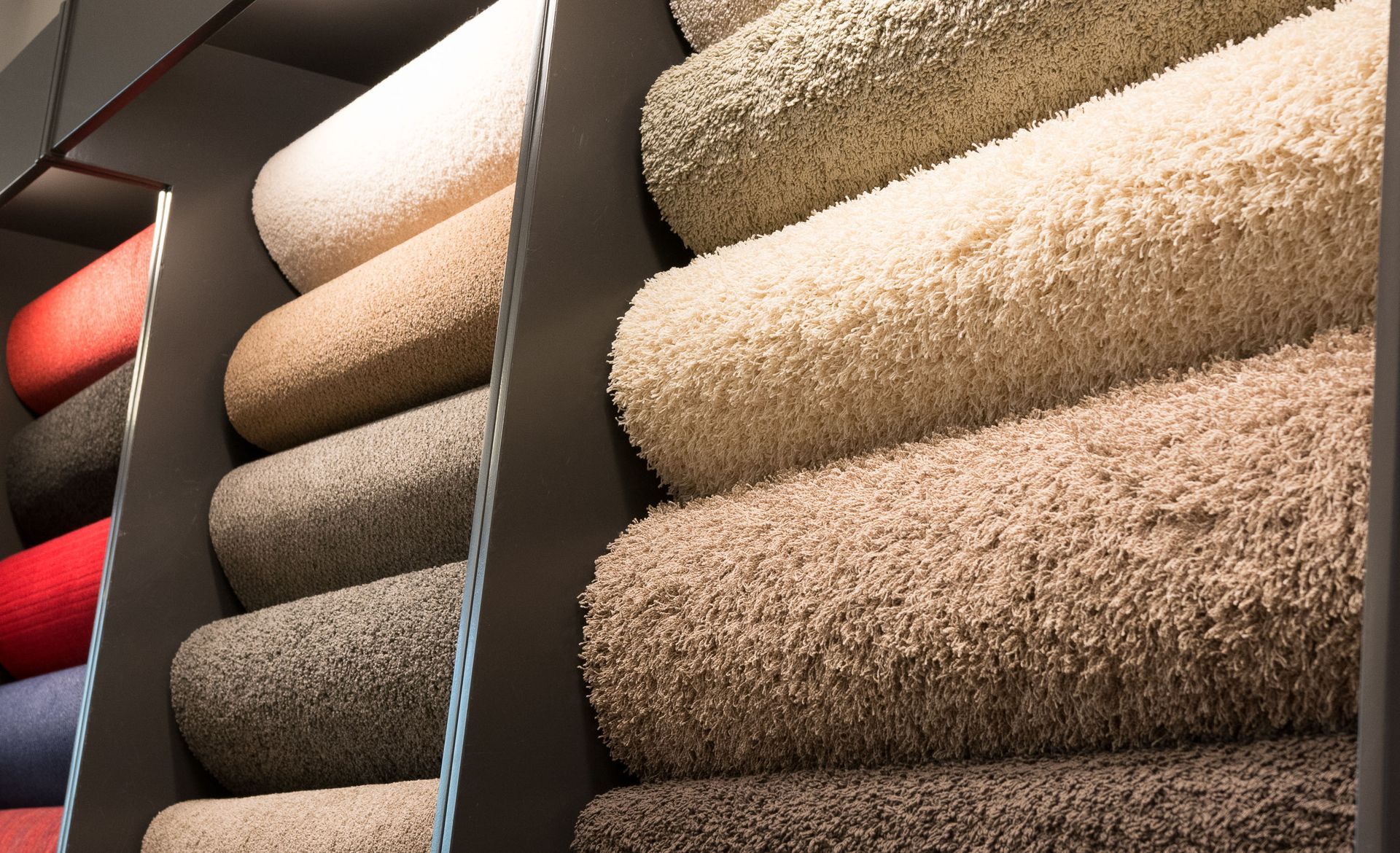
Color and pattern have a major influence on how furniture fits within a room. Neutral shades such as beige, gray, taupe, and cream are versatile and can adapt as surrounding decor changes. Bolder colors can turn a sofa or chair into a focal point, while patterned materials may add visual interest and disguise light wear. When selecting upholstery fabric, consider nearby walls, rugs, flooring, window treatments, and artwork to create a balanced overall appearance.
Different colors can also influence the mood of a space. Warm shades such as red, rust, and gold can create a cozy and energetic feeling, while blues and greens often contribute to a calmer atmosphere. Deep colors may make large furniture feel more substantial, whereas lighter shades can create a softer appearance. Evaluate samples in the actual room because natural and artificial lighting can change how colors appear.
Patterns, Texture, and Personal Style
Stripes, florals, geometrics, and solid colors each create a different visual effect. Stripes can feel classic or contemporary depending on their scale, while floral patterns range from subtle to dramatic. Textured solids add depth without introducing a strong pattern and can work well in layered interiors. Personal style should guide the final decision, but it is also useful to consider whether the design will remain appealing as trends and surrounding decor change.
Comfort and Breathability
Comfort depends on more than the cushion underneath the material. The surface texture directly affects how furniture feels during everyday use. Velvet, chenille, and brushed textiles can feel soft and inviting, while firmer woven materials may provide a more structured experience. Choosing upholstery fabric with the right texture is especially important for sofas, reading chairs, and other pieces used for extended periods.
Breathability can also influence comfort, especially in warm or humid environments. Natural fibers such as cotton and linen generally allow more airflow, which may make seating feel cooler. Some dense synthetic materials can retain more warmth, although modern performance textiles vary widely in construction. Climate, room temperature, and direct sunlight should all be considered before making a final choice.
Allergies and Household Needs
Households concerned about allergens may want materials that are easy to clean and less likely to trap dust. Tightly woven microfiber can be useful because particles tend to remain closer to the surface, where they can be removed through vacuuming. Washable covers may also simplify routine care. In addition to allergies, consider mobility needs, sensitivity to texture, and how different household members use the furniture.
Cushion construction is another consideration. Firm foam cushions often work well with structured textiles that maintain a tailored appearance, while down or feather blends may pair better with softer, more flexible materials. Coordinating the surface material with the furniture's internal construction can help preserve both appearance and comfort over time.
Budget and Long-Term Value
Price can vary significantly depending on fiber type, manufacturing process, brand, and performance features. Premium natural materials such as silk and genuine leather are often more expensive, while polyester and blended options can provide dependable performance at a lower price. When comparing materials, focus on value rather than purchase price alone. A more durable option may cost more initially but reduce the need for early reupholstery or replacement.
Cleaning requirements can also affect the true cost of ownership. Materials that need professional cleaning, conditioners, or specialized stain treatments may become more expensive over time. Before buying, ask about recommended cleaning methods, protective treatments, and warranty conditions. Understanding these details can help prevent unexpected costs and keep your choice practical for the household budget.
Sustainability and Eco-Friendly Choices
Consumers who prioritize sustainability can explore organic natural fibers, recycled textiles, and materials produced through lower-impact manufacturing methods. Recycled polyester, for example, can repurpose existing plastic resources into usable textile fibers. Organic cotton and responsibly sourced wool may also appeal to buyers seeking alternatives produced with fewer synthetic inputs. Selecting upholstery fabric with credible environmental information can support sustainability goals without requiring you to compromise on appearance or function.
Choosing the right upholstery fabric involves balancing style, durability, comfort, maintenance, cost, and sustainability. No single material is ideal for every room or household, which is why practical needs should guide the decision. By comparing the strengths and limitations of each option, you can select a textile that complements your decor while supporting everyday life and lasting furniture performance. Contact our team at Repinned Upholstery & Restoration today and learn more about our fabric services.